
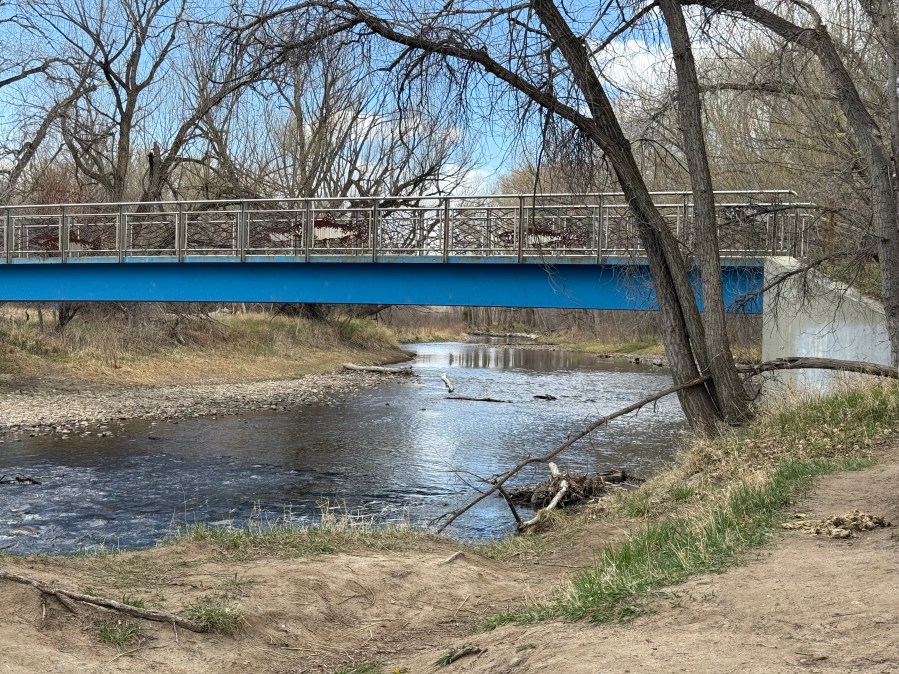
After the 1997 catastrophic flooding in Fort Collins which killed 5, damaged 2,000 homes, and caused $200M in damage, the City of Fort Collins Government created a Floodplain Management Program. Ours is one of only five communities to achieve top ratings by the Federal Emergency Management Agency.
Beyond an incredible series of infrastructure projects to hold storm and floodwater, the flood warning system and other smart investments and upkeep have meant that Fort Collins has had subsequent floods with minimal damage.
None of these projects on their own are “popular” investments. Certainly not as much fun as building a new park or rec center or whatever else. They require a lot of partnership and coordination. We saw this with Colorado State University’s response to the flood and its coordination in establishing new infrastructure.
The short-term inconveniences that folks strongly object to (such as continued or increased taxes, street closures, and other measures in Old Town to enhance the stormwater system) aren’t the ultimate outcome. The mid-to-end result can be a trail or a new path or a natural area. And on the worst days, it does exactly what it’s meant to do: keep folks safe. In terms of protecting neighbors, they work really well.
The unfortunate truth is that despite amazing experts and great decisions and fully funded systems, deaths can and still do occur and they’re often the one thing that aligns both popular will and funding toward proactive prevention. Fort Collins had a history of catastrophic floods and had previously invested millions in flood mitigation at the point of the 1997 flood, which meant that if past leaders had opted to kick the can down the road, it would have been much worse.
When an unimaginable tragedy hits as it has along the Guadalupe River this week, after we grieve the lost and celebrate the heroes, it’s everyone’s job to study and make sure the chances that it happens to anyone else are as low as possible. That’s the task set out to the leaders of Kerr County and Texas’s state government.
Two things can be true at the same time. We can be devastated for the families of those lost in the floods in Texas AND we can be deeply concerned about the current and future state of the warning systems meant to keep us all safe.
Making cuts to NOAA and NWS meant that staffers couldn’t relay crucial communications to local officials as quickly as they had been able to previously, and when a river’s level rises 26 feet in 3 hours, every second counts even when you do everything right.
Cuts and changes made to established systems without testing or vetting or backup plans in place are irresponsible at best and only work to put everyone in danger for next time by stretching thin those protections we have in place.
 Nick Armstrong